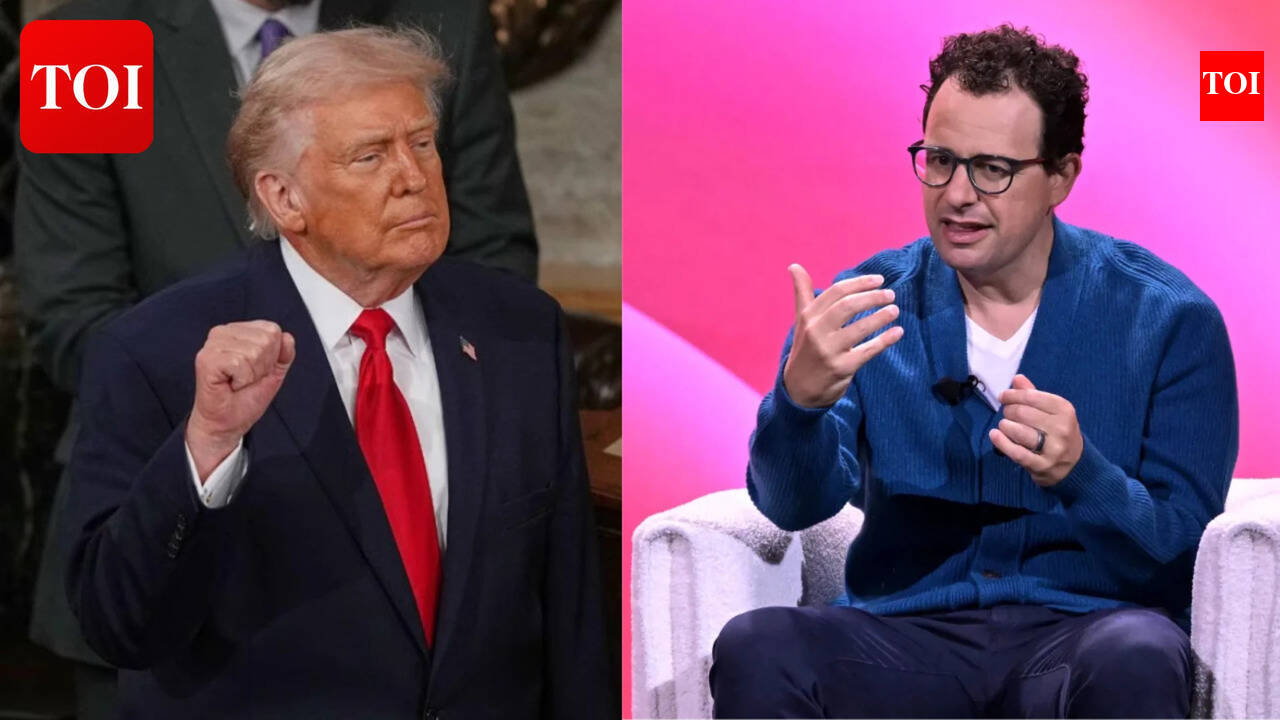
In a development that has sent ripples throughout the global artificial intelligence community, the United States government — under the leadership of President Donald Trump — has taken decisive action against Anthropic, the AI startup behind the advanced language model Claude. This move has not only banned Anthropic’s AI tools from federal use but also elevated the confrontation to a broader debate over technology governance, ethics in artificial intelligence and national security.
This clash is occurring against a backdrop of geopolitical tension, but it is important to understand that this is a distinct conflict, rooted in divergent perspectives on how AI should be controlled and deployed, especially when it comes to military and surveillance applications.
Table of Contents
ToggleWhat Triggered the Standoff?
The conflict began when U.S. defense authorities demanded that Anthropic grant the military unrestricted access to its AI technology, including its flagship Claude model. The Pentagon wanted the ability to use Claude for any lawful purpose, which reportedly included uses that Anthropic was uncomfortable sanctioning — such as mass domestic surveillance and autonomous weaponry.
Anthropic’s leadership, including CEO Dario Amodei, stood firm on ethical guardrails embedded in its technology. The company has insisted it will not allow Claude to be used for applications it deems unsafe, such as systems that could operate lethal force without human oversight or conduct mass surveillance on private citizens. This principled stand marked a significant break with the Pentagon’s demands.
The Presidential Directive and Ban
Faced with Anthropic’s refusal to relax its AI safeguards, President Trump took swift action. In a directive to all U.S. federal agencies, he ordered an immediate cessation of the government’s use of Anthropic’s AI technology. The reason given: national security concerns and a belief that the company’s stance was incompatible with the government’s needs. This order applies not just to Defense but to agencies across the federal government that had integrated Claude into their systems.
Following the presidential command, the Pentagon went a step further by classifying Anthropic as a “supply chain risk” to national security. This designation, traditionally used against foreign adversaries, effectively blacklisted Anthropic from government contracts and barred military contractors — and their suppliers — from engaging in commercial partnerships with the company. The move has potentially far-reaching implications for Anthropic’s business in the defense sector.
What Does “Supply Chain Risk” Mean?
Being labeled a supply chain risk is a serious blow. Typically applied to companies headquartered in countries considered national security threats, such as those tied to geopolitical rivals, this designation allows the U.S. government to block technology products from federal procurement. Applied here to an American AI firm, it signals a dramatic shift in how government views domestic tech entities.
Under this designation:
-
Anthropic is barred from future military and government contracts.
-
Contractors working with the Pentagon must sever ties with Anthropic.
-
A six-month phase-out window was provided to transition to alternative solutions.
The implication is clear: unless Anthropic agrees to the government’s terms, its involvement in critical national security projects will be effectively halted.
Why This Is More Than Just a Contract Dispute
At its core, this is a philosophical and ethical dispute over how AI should be deployed — especially in service of national objectives:
-
Anthropic’s Position: The company has repeatedly expressed concerns about using Claude for fully autonomous weapons or mass surveillance. Its refusal to remove safety safeguards reflects a broader commitment shared by some AI researchers and organizations to “responsible AI” that prioritizes human oversight and civil liberties.
-
U.S. Government’s Stance: Officials argue that any federal technology must be available for “all lawful purposes”. This includes potential uses the company originally restricted. The administration’s critics suggest that political rhetoric has also played a role, with President Trump framing the battle not just as national security but also in partisan terms.
This conflict highlights a growing tension within both the tech industry and governments worldwide about where ethical boundaries should be drawn between innovation and regulation.
The Legal and Market Fallout
Anthropic has vowed to challenge the designation in court, calling it unprecedented and legally dubious. The company argues that the supply chain risk label, usually attached to foreign adversary firms, is inappropriate and may violate legal norms. It maintains that the designation only applies to Pentagon contracts, not the wider corporate world — although government statements have suggested a broader impact on defense supply networks.
Meanwhile, the situation has created opportunities for competing AI firms. Earlier on the same day as the Pentagon’s move, other AI companies confirmed new agreements with the U.S. Department of Defense, reinforcing collaboration under terms that preserve safety guardrails. This highlights how the government’s AI strategy may now lean more heavily on providers whose models align with defense requirements, unlike Anthropic’s Claude.
Industry reaction has been mixed. Many AI professionals and safety advocates support Anthropic’s ethical stance and warn that military-driven requirements could prompt an arms race in autonomous weaponization. Others argue that unfettered access to advanced AI systems is critical for national defense — particularly as global competition in AI intensifies.
Broader Implications for AI Governance
The dispute has sparked a wider debate about the role of public policy in shaping AI deployment:
-
Ethics vs. National Security: How should governments balance ethical AI use with national defense and security imperatives?
-
Public Trust: What impact will such regulatory decisions have on public trust in AI firms and the future of AI adoption in public sectors?
-
Industry Standards: Does this episode set a precedent for how governments may regulate AI companies in defense contexts, and how might it influence global policy frameworks?
Experts warn that ambiguity in guidelines could leave startups vulnerable to sudden policy shifts, affecting innovation and long-term planning.
The Road Ahead
Despite the severity of the government’s actions, this confrontation is far from over. Anthropic’s legal challenge will play out in courts, and industry observers expect ongoing battles over AI governance. The company retains significant market strength and a strong user base for Claude, which many regard as among the most advanced conversational models available.
Additionally, the debate around ethical AI use and national security requirements is likely to continue shaping international AI policy discussions — not just within the United States but globally.
Conclusion
The escalation between the Trump administration and Anthropic marks a watershed moment in the intersection of artificial intelligence, ethics, and national security. By banning Claude from federal use and designating Anthropic a supply chain risk, the U.S. government has signaled a hardline stance on how AI should be deployed in service of the state.
Yet this episode raises deeper questions about where responsible innovation ends and government control begins. As both sides brace for legal and policy battles, the clash over Claude may well become a defining chapter in the global governance of artificial intelligence — shaping expectations for what role ethics, security, and autonomy should play in the future of intelligent machines.
modastor.com modastor.com modastor.com modastor.com modastor.com modastor.com modastor.com modastor.com modastor.com modastor.com modastor.com modastor.com modastor.com modastor.com modastor.com modastor.com modastor.com modastor.com modastor.com modastor.com modastor.com modastor.com modastor.com modastor.com modastor.com modastor.com modastor.com modastor.com modastor.com modastor.com modastor.com modastor.com modastor.com modastor.com modastor.com modastor.com modastor.com modastor.com modastor.com modastor.com modastor.com modastor.com modastor.com modastor.com modastor.com modastor.com modastor.com modastor.com modastor.com modastor.com modastor.com modastor.com modastor.com modastor.com modastor.com modastor.com modastor.com modastor.com modastor.com modastor.com modastor.com modastor.com modastor.com modastor.com modastor.com modastor.com modastor.com modastor.com modastor.com modastor.com modastor.com modastor.com modastor.com modastor.com modastor.com modastor.com modastor.com modastor.com modastor.com modastor.com modastor.com modastor.com modastor.com modastor.com modastor.com modastor.com modastor.com modastor.com modastor.com modastor.com modastor.com modastor.com modastor.com modastor.com modastor.com modastor.com modastor.com modastor.com modastor.com modastor.com modastor.com modastor.com modastor.com modastor.com modastor.com modastor.com modastor.com modastor.com modastor.com modastor.com modastor.com modastor.com modastor.com modastor.com modastor.com modastor.com modastor.com modastor.com modastor.com modastor.com modastor.com modastor.com modastor.com modastor.com modastor.com modastor.com modastor.com modastor.com modastor.com modastor.com modastor.com modastor.com modastor.com modastor.com modastor.com modastor.com modastor.com modastor.com modastor.com modastor.com modastor.com modastor.com modastor.com modastor.com modastor.com modastor.com modastor.com modastor.com modastor.com modastor.com modastor.com modastor.com modastor.com modastor.com modastor.com modastor.com modastor.com modastor.com modastor.com modastor.com modastor.com modastor.com modastor.com modastor.com modastor.com modastor.com modastor.com