A detailed look at how a religious pilgrimage turned into an unexpected international case involving faith, marriage, and diplomatic concern.
1. Introduction
A woman from Punjab, India, who went missing during a religious pilgrimage to Pakistan, has been found living there after reportedly converting to Islam and marrying a local man. The case has sparked concern among her family back in India, created discussion on safety during cross-border pilgrimages, and raised questions about whether the woman acted out of free will or under pressure.
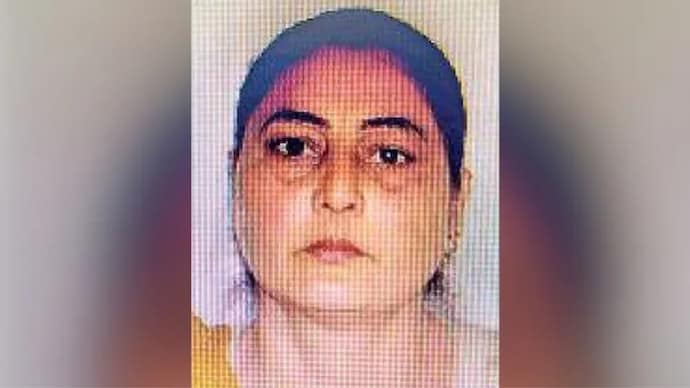
The missing woman, Sarabjeet Kaur, was part of a Sikh jatha (group of pilgrims) travelling to Pakistan for a religious visit. Her disappearance was reported shortly after the group returned to India without her. What followed was a tense search operation, media attention, and eventually confirmation from Pakistan that Sarabjeet had not only stayed back but had also entered into a marriage with a man from the region.
2. Background: The Pilgrimage to Pakistan
Every year, hundreds of Sikh pilgrims travel from India to Pakistan to visit major Gurudwaras, including Nankana Sahib and Panja Sahib. These pilgrimages are officially organised, monitored by both governments, and considered safe.
Sarabjeet Kaur joined one such jatha from Punjab. According to initial reports from the jatha members, she did not express any distress or unusual behaviour during the journey. However, when it was time to return to India, she was nowhere to be found.
The jatha returned to India without her, and authorities were informed immediately.
bjscivid.org | celebcineworld.com | celebbuzze.com
secretsscoop.com | cinemacubic.com
3. Family in Shock: “She Never Said Anything”
Back in Punjab, Sarabjeet’s family expressed shock and confusion.
They claimed:
-
She had never shown any desire to stay in Pakistan
-
She had not discussed any conversion
-
She had no known personal contacts across the border
Her family initially feared that she might have been kidnapped or forced into staying behind, a concern that arises anytime Indian women go missing abroad—especially in sensitive cross-border territories.
4. Pakistan Confirms: She Converted and Married
Pakistani authorities later confirmed that Sarabjeet:
-
Converted to Islam
-
Married a local man
-
Expressed desire to stay in Pakistan
Videos and documents reportedly surfaced showing her conversion ceremony and marriage registration.
While this eased fears that she was missing or harmed, it raised new questions:
Was she acting voluntarily? Or was she influenced or coerced?
Pakistan maintains that she acted entirely out of free will. Indian authorities are still verifying this claim.
5. Indian Authorities Begin Inquiry
The Punjab Police and Ministry of External Affairs started an inquiry to determine:
-
Whether Sarabjeet was under any pressure
-
How she managed to separate from the jatha unnoticed
-
Whether the marriage is valid under cross-border legal frameworks
They have also sent a request to Pakistan for:
-
Access to the woman
-
A formal statement
-
Details about the man she married
Meanwhile, the Indian government must respect the fact that she is on foreign soil and currently under Pakistani jurisdiction, which limits immediate action.
6. Free Will or Forced Conversion? The Key Debate
This case has sparked debate on social media and among political groups.
The questions being discussed include:
Was she influenced emotionally or financially?
Some argue that women travelling alone are more vulnerable to manipulation.
Could she have genuinely fallen in love?
Others believe that cross-border love stories are not unheard of, and her actions may be completely voluntary.
Was she forced into conversion?
Forced conversions are a sensitive issue in Pakistan, and several cases from minority communities have led to public concern.
Until Sarabjeet gives a clear statement in a neutral environment, Indian authorities cannot conclude anything.
7. Legal Complications Now Begin
If Sarabjeet wishes to return to India, she will need to:
-
Provide a statement to authorities
-
Undergo identity verification
-
Have her marriage legally examined
If she chooses not to return, then:
-
India legally cannot force her
-
Her Indian citizenship status will remain intact unless she chooses to change it
-
Diplomatic channels will continue monitoring her well-being
International marriages always bring paperwork, but cross-border marriages between India and Pakistan are especially sensitive.
8. Impact on Pilgrimages
After this incident, some Sikh groups and families are anxious about sending women pilgrims without close supervision. There may be future calls for:
-
Stricter monitoring during jathas
-
Digital tracking of pilgrims
-
Regular check-ins with authorities
-
Mandatory escorts for vulnerable individuals
Neither country wants these spiritual travels to turn controversial or politically charged.
9. Reactions on Social Media
Social media erupted with two dominant sets of opinions:
Group 1: She made her own choice
Many argued she is an adult and free to live her life however she chooses.
Group 2: She may have been influenced
Others expressed concern that cross-border manipulation or pressure could have played a role.
The truth lies somewhere in the facts that authorities are still piecing together.
10. What Happens Next?
The path forward depends largely on Sarabjeet’s own statement. If she communicates clearly that she:
-
Wants to stay
-
Converted willingly
-
Married out of choice
…then the case will move toward diplomatic closure, though the family may remain emotionally distressed.
But if she indicates:
-
Fear
-
Pressure
-
Manipulation
…then the situation will escalate into a legal and diplomatic case, possibly involving repatriation efforts.
For now, India is waiting for formal access to speak directly with her.
Conclusion
Sarabjeet Kaur’s case highlights the complex intersection of faith, personal freedom, cross-border relations, and family expectations. Whether she stayed back by choice or under influence remains to be fully confirmed. What is clear, however, is that the incident has raised critical questions about pilgrim safety, cross-border marriages, and the emotional impact on families.
As investigations continue, both India and Pakistan must ensure that her rights, safety, and well-being remain the priority.