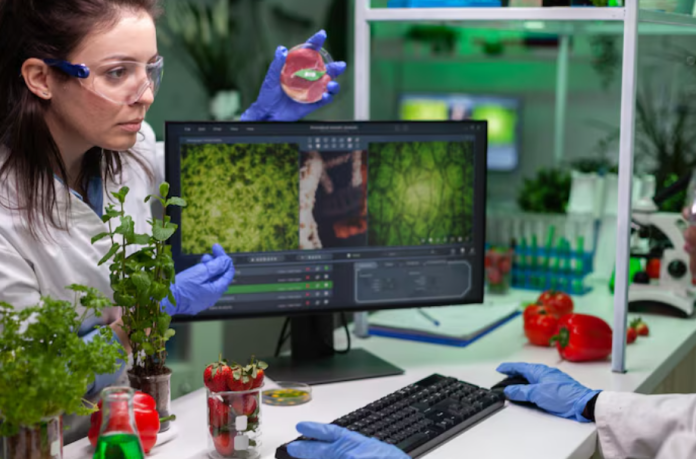
The mixture of biology and synthetic intelligence is changing how diseases are diagnosed, monitored, and treated in a state-of-the-art, speedy-converting healthcare device. Composite biomarker algorithms and AI Biomarkers are among the maximum promising new technologies. They are converting the way precision medicine works by means of the use of multi-dimensional information and computational intelligence. These technologies are not only making things more accurate; they are also starting a new era of individualized treatment, in which medical decisions are based on information from each patient’s unique biological profile. Nexomic is one of the leaders driving this transformation by integrating AI-driven insights with biological data to advance personalized healthcare.
Comprehending the Efficacy of Composite Biomarker Algorithms
Composite biomarker algorithms merge many biological indications, including genomic, proteomic, metabolomic, and clinical data, into a cohesive model that offers an extensive perspective on patient health. These algorithms use a range of data points instead of just one biomarker to make predictions more accurate and improve treatment outcomes.
These kinds of algorithms are very important for finding disease patterns earlier and more accurately. In oncology or cardiovascular studies, for example, combining many biomarkers can find small changes in the body long before symptoms show up. This method changes medicine from a reactive to a proactive and preventive one.
- They make diagnoses more reliable by lowering the number of false positives and negatives.
- They allow for tailored treatment planning based on biological data from several sources.
- They assist ongoing patient monitoring by interpreting data in real time.
AI Biomarkers: Where Biology and Intelligence Meet
Composite biomarker algorithms deliver shape, while AI biomarkers upload intelligence. AI Biomarkers use AI and system mastering algorithms to take a look at large quantities of organic information and locate styles that people could by no means be able to see. These digital biomarkers come from a variety of sources, such as genetic codes, imaging data, wearable sensors, and clinical records.
AI biomarkers are very important to modern health care research since they may change and learn all the time. These systems get better at making predictions as they get more patient data. This means that every insight gets sharper and more tailored to the individual over time.
- AI-driven models can forecast how a disease will progress with amazing precision.
- They allow for real-time analysis in clinical settings.
- They connect lab data with decisions made at the bedside.
By adding AI Biomarkers to clinical workflows, doctors may make diagnoses faster, target medicines better, and enhance patient outcomes. Nexomic’s integration of AI biomarkers is revolutionizing how predictive insights are utilized in real-time healthcare environments.
The Relationship Between Composite Biomarker Algorithms and AI Biomarkers
Composite biomarker algorithms and AI biomarkers work together to produce a dynamic ecosystem that combines the intricacy of human biology with the accuracy of artificial intelligence. Composite algorithms turn biological statistics into measurable indicators, and AI uses those indicators to make predictions and insights by way of studying millions of statistics points.
Giving the subsequent era of statistics-pushed medicine the gear it desires
The real worth of Composite biomarker algorithms and AI Biomarkers is that they can turn complicated things into simple ones. AI and multi-omic algorithms paintings as translators, translating raw data into clinically useful information. Each patient’s organic data has millions of viable insights. This approach now longer best enables doctors to make better choices; however, it also hinders research and the creation of the latest capsules.
- Combining AI with omic sciences makes it possible to create individualized patient pathways.
- Predictive insights help find issues earlier and use sources more efficiently.
- Long-time period flexibility in healthcare is made possible by way of continuous mastering systems.
These new ideas show a big alternate, moving from usual remedy plans to precision intelligence that puts each patient at the coronary heart of care. Nexomic continues to advance this vision by merging AI-driven analytics with biological understanding to empower precision medicine worldwide.
Conclusion
Composite biomarker algorithms and AI biomarkers are opening up new ways to predict, diagnose, and treat diseases as medicine moves into a data-driven age. Their blended capability is not only a step forward in technology but also a revolution in healthcare that puts people first. The clinical network is getting in the direction of the goal of giving the right therapy to the right affected person at the proper time by giving clinicians, scientists, and engineers the tools they need to apply multi-omic information smartly. Visit nexomic.com to find out more about how Nexomic and omic-powered precision intelligence are changing healthcare throughout the world.